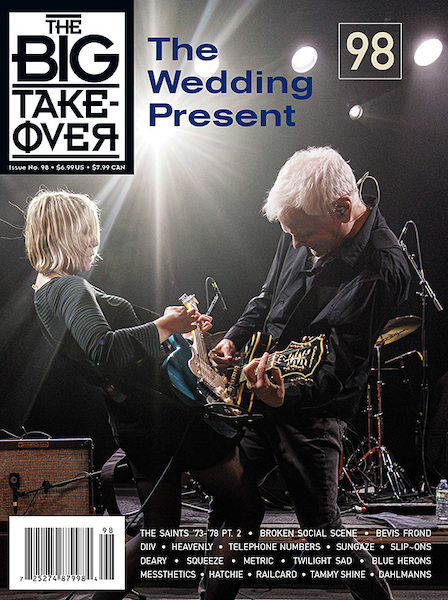
If you’ve enjoyed The Bad Penny‘s ongoing On Tyranny series, be sure to pick up the latest edition of The Big Takeover, underground music’s best magazine. Publisher, editor and perhaps the best person on earth Jack Rabid graciously allowed me once again to write one of the three coveted opinion essays that lead off the 160-page edition. My second commentary is a kindred spirit of the first, and both digs deep into the sums up lessons learned from On Tyranny. If you believe in punk rock and for which it stands, buy the newest issue of The Big Takeover.
Archive for the Essays Category
Green Day’s Blacklisted Hit Was Banned From Radio – and It Wasn’t Due to Profanity
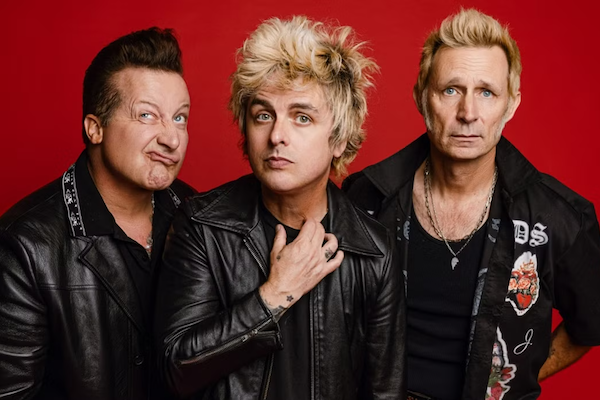
Posted in Essays with tags Green Day, Mike Dirnt, Tré Cool on 06/12/2026 by Kurt OrzeckIn the wake of the attacks on September 11, 2001, radio station conglomerate Clear Channel Communications banned a slew of unlikely songs from the airwaves, including Simon & Garfunkel‘s “Bridge Over Troubled Water,” John Lennon‘s “Imagine,” Led Zeppelin‘s “Stairway to Heaven,” and many more. Another band that fell victim to the reactionary crackdown on free speech during a terrifying time in America was Green Day and their song “Brain Stew.”
The spirit of punk rock is to scream truth to power, no matter what the cost. Bands of that ilk tend to gravitate to the underground and indie record labels, where they can fully exercise their creative freedom and execute their vision without fear of corporate interference. Green Day is one of the rare – and undeniably most popular – punk-rock bands that, despite their fearless and sometimes controversial outspokenness, have spent the majority of their career on a major label (the Warner Bros. Records-owned Reprise).
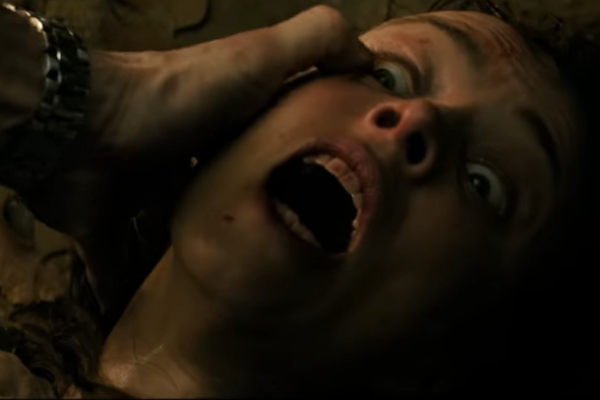
Continue reading‘Send Help’: An Analysis of the Eye-Gouging Scene(s) in Sam Raimi’s Breakaway Horror-Comedy Hit
Posted in Essays, Favorite Films, Features with tags Dylan O'Brien, horror, movies, Rachel McAdams, Sam Raimi, Send Help on 05/26/2026 by Kurt OrzeckJust two weeks ago, we raved about the best movie of the year so far, Sam Raimi’s Send Help. But just as we can’t stop rewatching the deliriously entertaining horror-thriller-with-a-smile, we keep finding more in-jokes (or Easter eggs, if you prefer) with each subsequent viewing.
The most obvious one is the golfing motif, which is not unlike the collectible coin/button storytelling device that Raimi used in his last great horror-comedy, Drag Me to Hell. (The Bad Penny still maintains the latter flick is the better of the two discussed here.) Just as the coin/button completed the narrative circle of Drag Me to Hell with a sinister smirk, Raimi similarly introduces the golf club and brief discussions about golf at the very beginning and very end of Send Help.
Continue readingDave Grohl’s Hardcore-Punk Bonafides Propelled Him – and Nirvana – to Enormous Mainstream Success
Posted in Essays, Features with tags Dave Grohl, Foo Fighters, Krist Novoselic, Kurt Cobain, Lemmy, Nirvana, Scream on 05/08/2026 by Kurt OrzeckWhen Nirvana signed to a major label in 1990, they had already established a strong fan base in their hometown of Seattle thanks to the underground success of Bleach, their debut album. But even though the band was just a trio, the consistency of its lineup was tested by a Spinal Tap-esque rotating cast of drummers (the last of which was Dave Grohl). When Nirvana inked a deal with the David Geffen-owned DGC Records, they also faced skepticism from a fan base suspect of artists tied to corporate entities. Whether deliberate or not, Kurt Cobain successfully diffused those concerns while simultaneously strengthening his three-piece by tapping Grohl, a drummer who had already established his punk-rock bona fides by the time he joined the band in his early 20s. Read my full feature on the topic courtesy of Collider.
Why David Bowie’s ‘Blackstar’ Still Resonates 10 Years Later
Posted in Essays with tags Blackstar, David Bowie, Johnny Cash, Kendrick Lamar, Lou Reed, Tony Visconti on 05/02/2026 by Kurt OrzeckOne would be hard-pressed to name a rock star whose legacy can compete with that of David Bowie. The Thin White Duke’s timeless music is arguably more popular and resonant now than even in his ‘70s heyday. Even further, the singular social imprint he left — bending gender norms decades before doing so became culturally acceptable — continues to earn Bowie reverence among younger generations. In a manner that few artists other than Bowie are capable of, he capped off his indisputably enduring career with Blackstar, an album that scored the rare trifecta of critical, commercial, and artistic excellence.
David Bowie Shoots for the Stars — One Last Time
Whereas Bowie peer Lou Reed sadly passed away with a whimper of an album — Lulu, his ambitious yet ultimately lackluster collaboration with Metallica — Ziggy Stardust stuck the landing with his own highly experimental effort, 2016’s Blackstar. Ten years later, it remains confounding how Bowie cooked up a record that incorporated material from his off-Broadway musical Lazarus, genres ranging from jazz to art rock, and salutes to Kendrick Lamar and other unlikely musicians he respected.
From start to finish, Blackstar reflects an artist who had achieved a Buddha-level of enlightenment, as evidenced by his confidence and audaciousness to open it with the 10-minute title track. He wasn’t marinating in egoism or self-indulgence, though: One of the most humble yet ostentatious rock stars of all time entrusted his eight-member backing band to flex their experimental chops too. The rife-with-time-changes “Sue (Or in a Season of Crime)” and the piano-laced, mellifluous “Dollar Days” are the chief examples.
Continue readingFavorite Films: Did You Catch These Easter Eggs in ‘One Battle After Another’?
Posted in Essays, Favorite Films with tags Benicio del Toro, Leonardo DiCaprio, movies, One Battle After Another, Sean Penn on 02/15/2026 by Kurt OrzeckDo we still have to say “spoiler alert”? Then fine: spoiler alert.
Here are observations from someone who has watched the best movie of 2025 too many times:
1. Let’s start with the obvious: Leonardo DiCaprio has said in interviews that he loosely based his character, nicknamed “Ghetto Pat,” after “The Dude” – or “El Duderino,” if you’re not into that whole brevity thing – from The Big Lebowski. For one, both Pat and Jeffrey Lebowski are essentially confused throughout the duration of each movie.
2. Both characters have goatees, occasionally tie back their hair and dress similarly with bathrobes, flannel and sunglasses. (HalloweenCostumes.com actually sells a “Big Lebowski The Dude Bathrobe Costume for Men.”)