Sonny Rollins, Master Saxophonist and Jazz Pioneer, Dead at 95
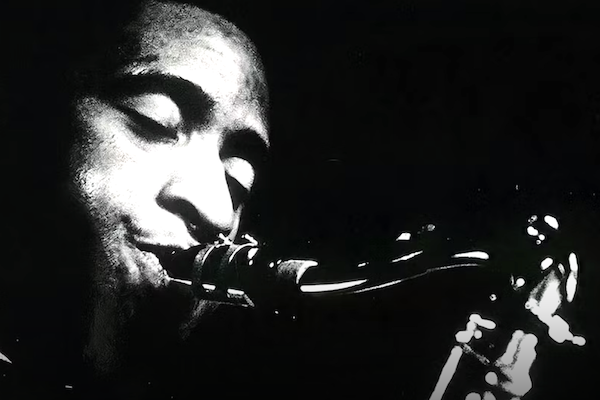
Sonny Rollins, widely considered to be one of the greatest saxophonists of all time, has died, according to a Sunday post on his Facebook page. He was 95 years old.
“It is with deep sorrow and profound love that we announce the passing of Sonny Rollins,” read a statement posted on the page at approximately 10 p.m. ET. “The Saxophone Colossus died this afternoon at his home in Woodstock, NY, at the age of 95.”
The post continued with a 2009 quote from Rollins, a jazz tenor saxophonist known as a jazz music purveyor and improvisational extraordinaire.
“I think when the creative person ends, he continues in the next existence,” the Rollins quote read. “I’m a person who believes this life isn’t the be-all and end-all of everything. A spiritual person doesn’t feel like that.”
As of 11:15 p.m. ET, Rollins’ website contained no information about the legend’s passing.
Sonny Rollins Leaves a Legacy That Will Last for Centuries
Rollins’ website touts him as an “American tenor saxophonist and composer whose eight-decade career has led him from Harlem to the White House and all over the world, and who is considered one of the most influential musicians in jazz.”
Theodore Walter “Sonny” Rollins was born on September 7, 1930, and grew up in Harlem, New York City, according to Rollins’ website and the one for New York City’s the Schomberg Center, which acquired the jazz master’s personal archives in 2017. After falling in love with bebop, he became an admirer of Charlie Parker and mentee of Thelonious Monk. In turn, Rollins had a major impact on Miles Davis; the former collaborated with the latter when he was still in his teens.
The Schomberg Center dubbed Rollins “one of the most highly-regarded improvisors [sic] in the history of the music,” regardless of genre. It also called him “one of the most important musicians and artists of the 20th and early 21st centuries.”
Among Rollins’ best-known jazz standards are “Oleo,” “Doxy,” and “Airegin,” according to the archives. He was also known for creating “St. Thomas,” “Strode Rode,” “Sonnymoon for Two,” “Pent-Up House,” and other classic jazz compositions.
Rollins led an at-times tumultuous life, battling heroin addiction and serving time in prison for robbery. He also stepped away from music at various intervals, only to later return even more renowned. Over the course of his life, Rollins lived in Chicago as well as New York. In the late ’60s and early ’70s, he studied yoga and religion in India and Japan, per the archives.
But in recent decades, Rollins became fixated on improving his health, the archives said. His accolades speak for themselves: the National Endowment for the Arts Jazz Master Award (1983); a Grammy Award for lifetime achievement (2004); the Polar Music Prize (2007); the Edward MacDowell Medal (2010); the Kennedy Center Honor (2011); and the National Medal of Arts (2011).
Information on any memorial services that will be held for Rollins was not available as of press time.


Leave a Reply