From the Vault: Inside The Label – Prosthetic Records

As far as the music industry is concerned, the Apocalypse has arrived. All that remains of major labels is their smoldering, blackened skeletons; elsewhere, chaos reigns, with only the very fittest gritting out a way to survive.
But across this bloody battlefield, Prosthetic Records is one of the few labels standing tall. Some way, some how, metal is continuing to sell in this chilly climate: Mastodon and Killswitch Engage, for example, recently cracked the Billboard 200 top 10 with ease. Chalk it up to loyal fans, to kids who want to invest in more than just an invisible file – or maybe to knuckle-draggers who scratch their head at the word “torrent.”
Whatever the case, the brainy aggro label founded 11 years ago in L.A. by ex-Columbia Records staffers E.J. Johantgen and Dan Fitzgerald is going stronger than an angry pachyderm in an Iron Man contest. Prosthetic’s current roster has roughly twice as many the number of artists who are no longer with the label. And the lineup runs the metal gamut, from prog-inflected bands (Scale the Summit) to technical death metal (Beneath the Massacre) to blackened thrash (Skeletonwitch) to pop-friendly metalcore (All That Remains) to arty heavy rock (Kylesa).
“I probably have a screw loose. I just like aggressive music in general,” Johantgen recently confessed to IndiePit. “I love brutal music, stuff that incites aggressiveness. But ultimately, I think there’s a common thread between everything we do, whether it’s Beneath the Massacre or All That Remains or Scale the Summit: It’s top-notch musicianship. Guitarists that can shred and play their instruments, and have a unique ability to express themselves through guitar. It just really has to give me an emotional charge.”
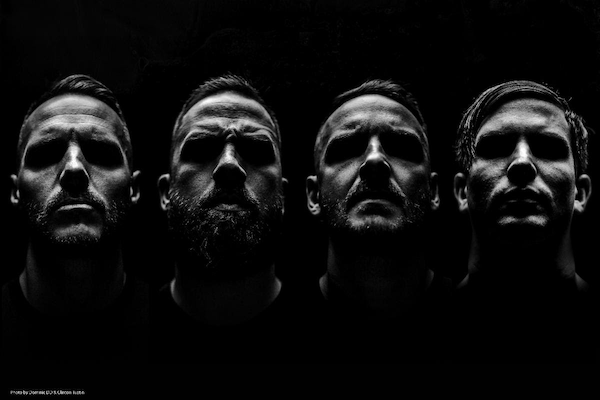
Talking with Johantgen, his passion translates loud and clear. And, naturally, it’s his passion that drove him to start his own label. While “serving time” at Columbia, as he hilariously puts it, he and Fitzgerald started noticing a trend: “I essentially saw a lot of bands who didn’t have a vision, who were packaged up and who had millions and millions of dollars spent on them, and it was sort of like the elephant in the room: Everyone knew they were not going to succeed. But there was politics afoot in some way, shape or form.
“And there were other acts – that maybe had more credibility, maybe that had a vision, and all they needed was a little extra money, a little extra push and could’ve sold more records or popped through and become a career artist – not get that shot.
“So me and my partner were like, ‘Anyone can do this. If that’s the way they’re going to run a business, then anyone can do this.’ That’s the big lesson: I just want to work for the acts I love, the acts that I’m passionate about. And that’s what we do.”
When Johantgen and Fitzgerald pitched the Prosthetic tent poles, so to speak, the climate was almost the polar opposite of what it is now: The majors were still thriving, metal was dominated by foul-tasting nü slop like Limp Bizkit and Korn, and the genre barely had an underground presence. Back then, some of the biggest names in metal were still in their jammies.
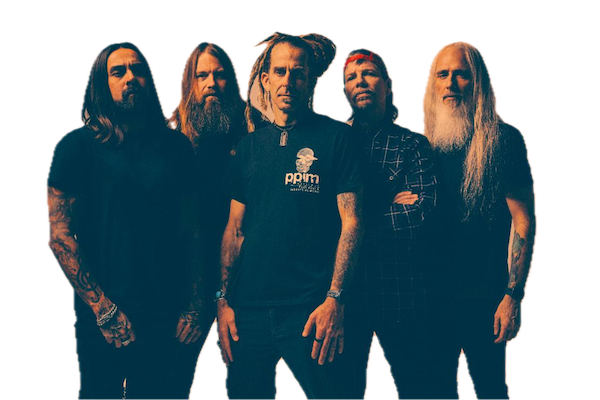
“All That Remains and Lamb of God were signed when metal was dead,” Johantgen recalled, noting the label’s two arguably best-known bands (LOG released its first pair of records through Prosthetic). “Metal labels were hobbling along. Century Media, they had bands that did well, but in general, metal was dead in the underground. We just signed bands we felt were killer and cool, and sure enough, it’s paid off all these years later. But it certainly wasn’t about the money, getting rich.”
Nor should it be, for anyone involved in music. One of the upshots of the massive downgrade that has hit the industry is that it’s been weeding out those with dollar signs in their eyes. It seems (and this doesn’t just pertain to metal) that the ones who are sweating it out, holding on for dear life – because of their love for music – are the ones who may survive.
But inevitably, money does and will continue to play at least some role in this whole charade we call the “industry.” For all the passion he exudes, Johantgen can smoothly shift from his love of music to his business acumen.
Despite the fact that Prosthetic has a bigger roster than its ever had before, “We don’t sign a lot of bands,” Johantgen insisted. “That’s another lesson learned from Columbia: It’s not about feeding the pipeline.”
Prosthetic contracts are pretty standard, he says – usually multi-year deals that are massaged to suit the needs of the bands. Since it’s inexpensive to record music these days – Johantgen mentions a new iPhone app that acts as a four-track recorder – “It’s more about what the bands need beyond that: Do they need a band? Do they need to get their singer out of jail? It’s all a case-by-case basis. Ultimately it’s their money they have to recoup.
“For example,” he continued, “we’re trying to sign a band that’s established, who’s paid their dues. All their elements are there for them to jump to the next level, and part of going to the next level is going with an established producer who can spend more than two weeks making a record. You’re going to need maybe five weeks, six weeks to put into making the record they want to make. So that extra money is in the contract, to go and get that name producer and to have time to work with that name producer.
“For the most part, our job is to execute the vision of the artist. We do not have a lot of success with bands that don’t have a vision. I think that’s the major label’s deal: They can give a band a vision, they can give them package them up and put ’em out there. And it’s the same for indie labels in general, whether it’s Epitaph or et cetera et cetera.: If a band doesn’t know who they are, it’s going to make my job a hell of a lot more difficult. … We try to work with bands that have a vision and help them execute that vision.”
And the contracts continue to fluctuate depending on the status of the bands. Just like a local hamburger joint will put more TLC into each patty, as opposed to giving them all the same cruddy treatment like McDonald’s, chances are the final result is going to be tastier if it’s being cooked up by an indie label.
“If a band has sold 10,000 copies of a record previously, and they’re only going to need x number of dollars to record a record, then they’re probably going to get an exceptionally high royalty rate, because the band has done a lot of the hard work,” Johantgen explained.
“We tend to lose money on a band’s first record, because there’s so much money we have to dump into marketing a band just to get their name out. And that has a lot to do with what a band gets and what is done on the band’s first record. A lot of variables. If a band has only played two shows when we’ve signed them, that’s one thing. If a band plays 250 shows a year, then it’s gotta be another thing.”
Unfortunately for up-and-coming acts, the best way you’ll get to Johantgen’s ear is probably through word of mouth. Prosthetic – which has six employees in L.A., and additional staff in Canada, France, Germany and the U.K. – doesn’t accept unsolicited demos. Not that traditional demos are even the norm anymore. As it is, Johantgen said he’s “inundated with links.”
Still, that isn’t to say Johantgen doesn’t believe in cultivating the talent he does sign. As spelled out in this breakdown of the hottest Prosthetic artists, he is something of a label co-owner and A&R guy rolled into one:
All That Remains
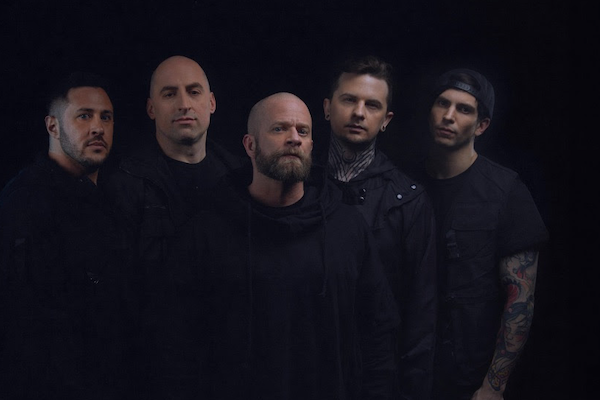
Phil Labonte and his crew – which includes one of the few females on the Prosthetic roster – are just getting under way with this summer’s biggest metal tour, Mayhem. Johantgen goes way back with these cats, who might be considered the label’s hallmark act and who he calls “a long, grind-out success story.” “I was very friendly with their manager at the time, who did the New England Hardcore and Metal Festival” he said, remembering when he signed them. The manager “asked me if I’d be interested in signing the band. I thought they were great. Phil and I have become friends. There’s nothing more gratifying than when you have a personal relationship with the acts.”
Skeletonwitch
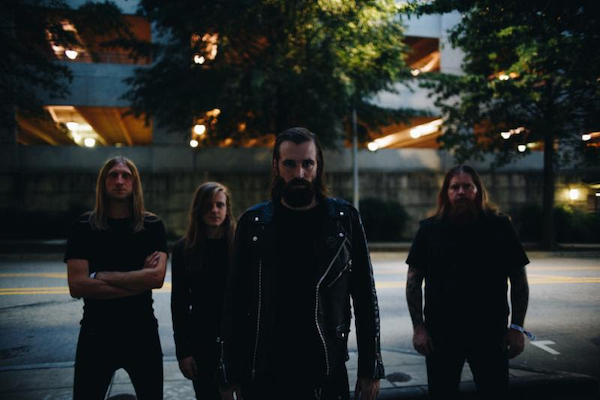
Johantgen said the Ohio medieval metallers’ October 13 release, Breathing the Fire – which they’re currently hammering away at with studio legend Jack Endino – will be the biggest Prosthetic release for the rest of the year. “Their next album’s going to be big, and they’re going to be off to the races as far as establishing themselves and carving out a career doing this. They’re going to be touring with Children of Bodom and Black Dahlia Murder, which is great.”
Scale the Summit
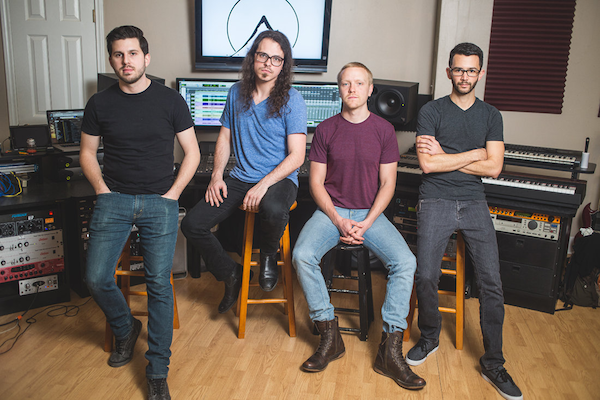
When we called Johantgen, he was “going insane” preparing the marketing plan for the Houston instrumental band’s support slot on the upcoming Dream Theater tour. “They are a big push for us. [Their sound is] very unique for us, so we have to work harder. It’s kind of grown-up music. It’s progressive, instrumental, very melodic. [They don’t appeal to] the typical Prosthetic crowd.”
The Acacia Strain

While the Massachusetts deathcore band’s new one isn’t due till next year, the group was very much on Johantgen’s mind during the interview. “The Acacia Strain consistently sell record after record and have a diehard following. Their next record could possibly be huge. But if not, we’ll set them up to be a career band. We gotta break the Acacia Strain.”
Notable mentions
Beneath the Massacre will have a new album “at some point” next year. Also coming in ’10 is new material from a Los Angeles band called Holy Grail and Phoenix death-grinders Landmine Marathon, who were formerly on Level Plane.
Don’t miss our first “Inside the Label” profile, starring Ipecac Recordings. We chatted up Greg Werckman – another former major-label exec-turned-indie label guru – about their unique contracts, lack of promotion and upcoming releases (new Mike Patton releases included).
[This article was originally published on IndiePit in 2009.]
 The Bad Penny (beta)
Leave a comment